How to Grow Zinnia Plants Successfully | Common Problems & Solutions
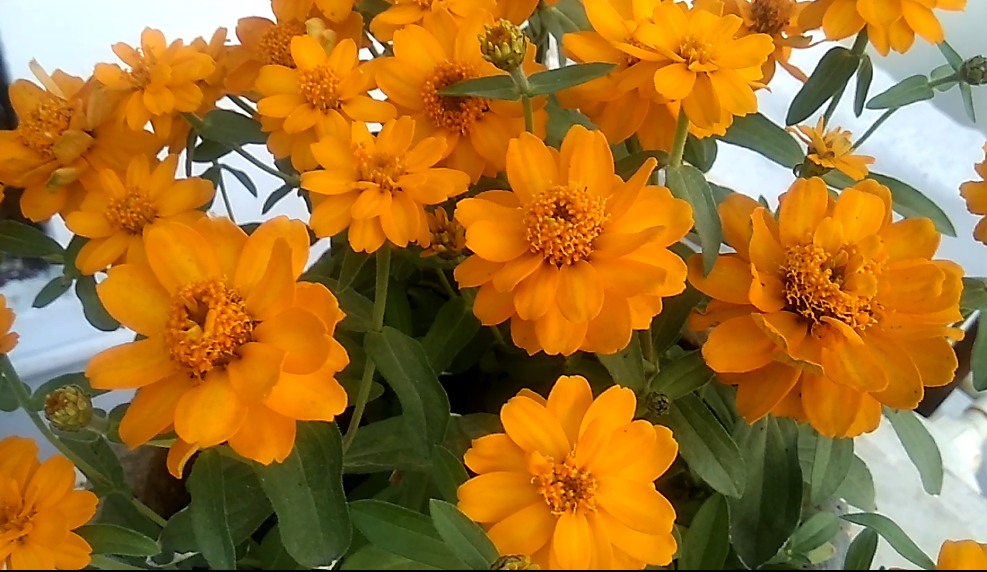
Zinnia is one of the most difficult plants to grow successfully.
Among all flowering plants, zinnias are extremely challenging because they are very fussy in nature.
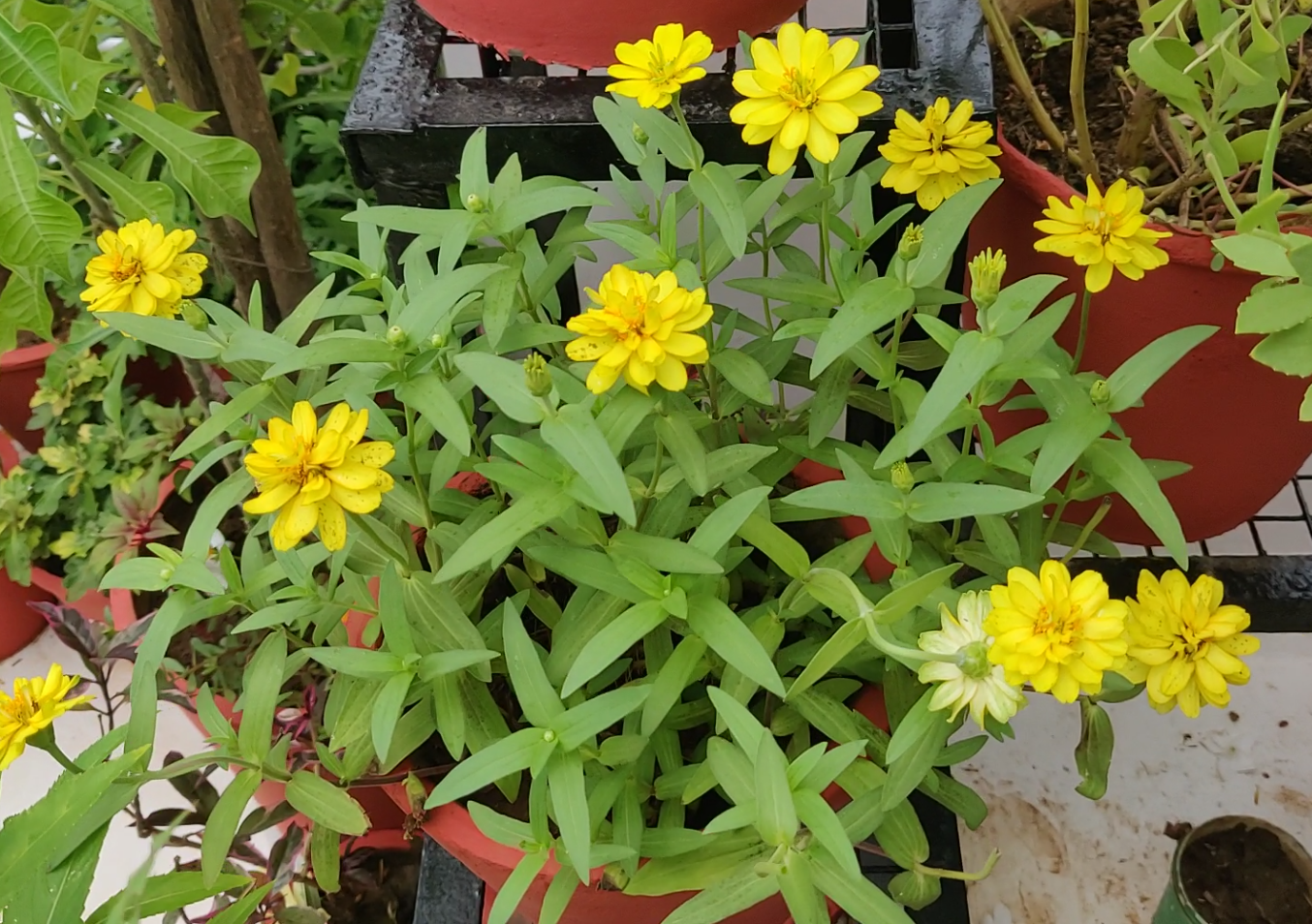
First, zinnias do not like transplanting.
Unlike marigold, sunflower, coreopsis, or globe amaranth—which can be easily pulled out and transplanted—zinnias must be handled very carefully. For example, globe amaranth seedlings can be transplanted even at a very young stage, when they have just 4–5 leaves and almost no visible stem. Zinnias cannot tolerate this kind of handling.
It is best to grow zinnias directly in the pot where they will remain.
Ideally, use a 10-inch pot and grow two zinnia plants per pot, allowing them to settle and grow there. If you are raising them in a nursery, you must scoop out the seedlings along with a full ball of soil and then transplant them gently into pots or beds. Never pull them out by hand.
Zinnias are highly prone to root diseases—almost 100% susceptible.
When planted in garden beds, if you grow 40–50 zinnia plants, at least 30–35 may die even before reaching their first flowering stage. The remaining plants may produce only one or two flowers, and only rarely will a plant grow well.
However, when grown in pots or containers, survival improves. Out of 50 plants, around 30–35 plants may survive and grow comparatively better.
Because of this high disease susceptibility, chemical intervention in the form of fungicides is often necessary. Even then, successful growth is not guaranteed.
Three most important practices for growing zinnia:
Never pull out zinnia seedlings.
Always scoop them out with roots and surrounding soil, or preferably do direct sowing in pots or the final growing place.
Avoid overwatering.
Zinnias are water-shy plants. The growing medium should be well-drained, not clayey. Use a mix containing sand, perlite, or similar materials to ensure good drainage.
Pinching is essential.
Zinnias must be pinched at the right stage to encourage branching and spreading. Without pinching, the plant grows tall and lanky, produces only one flower, and by the time it matures, the flowering season is already over, resulting in no further blooms.
Another challenge is that nurseries usually sell zinnias at the flowering stage, whereas pinching must be done earlier. Finding younger plants at the correct stage can be difficult and may require time and effort.
This is why zinnia cultivation requires patience, careful handling, and proper technique.